100 Great American Films of the past 100 Years
Your American film education could start here. According to the American Film institute, these are the top 100 films to see. I’m not saying you should watch them all but it would probably be good to get to the point where you’ve watched 80-90% of them. Even if you haven’t watched any of them, at the very least you could look at the movie posters below and the short reason why these films are important, pick out five or ten you haven’t seen that you are willing watch, and get started; because we all should all be able to discuss these stories and understand the cultural impact of these films. Many of them are referenced often in other media, some of them have become full on metonymy for entire concepts. If it’s a film about a book, I generally recommend reading the book first because the book is probably better than the film. But after you’ve read the book, watch the movie too. How many have you seen?
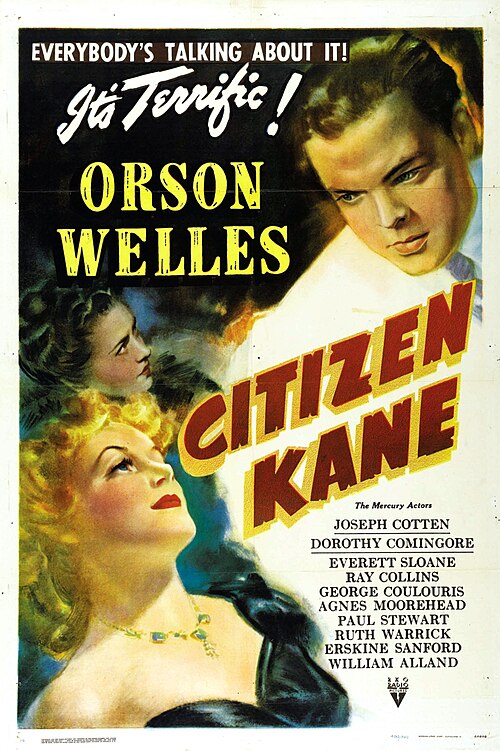
Citizen Kane
1941
Revolutionized film storytelling with deep-focus cinematography, nonlinear structure, and an ambitious portrait of power.

Casablanca
1942
A defining Hollywood romance that blends wartime urgency, moral sacrifice, and unforgettable studio-era craft.
The Godfather
1972
Set a new standard for American crime drama through operatic family storytelling and naturalistic performances.
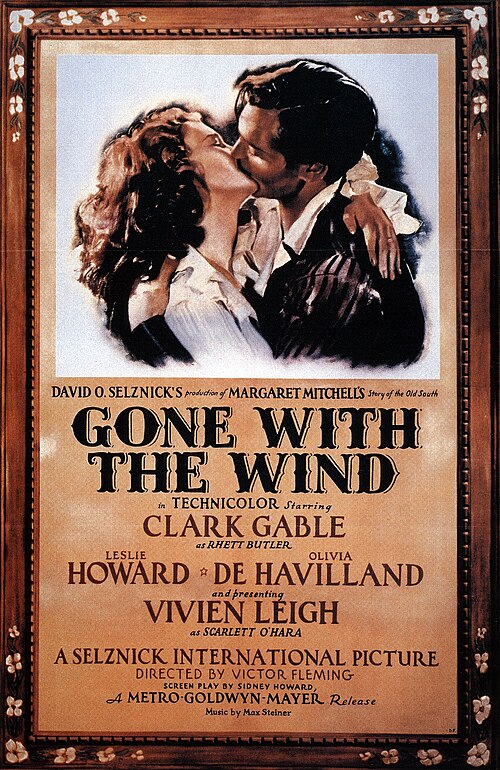
Gone with the Wind
1939
An epic landmark in Hollywood scale, color cinematography, and blockbuster spectacle, despite its contested racial politics.
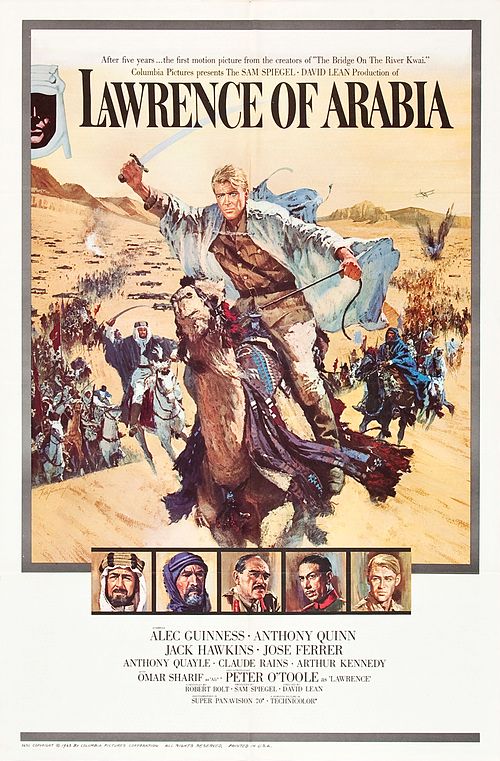
Lawrence of Arabia
1962
A widescreen epic celebrated for visual grandeur, complex heroism, and one of cinema’s great desert landscapes.

The Wizard of Oz
1939
A fantasy touchstone whose songs, color design, and mythic journey shaped generations of popular culture.
The Graduate
1967
Captured the alienation and generational restlessness of 1960s America with a bold modern comic style.
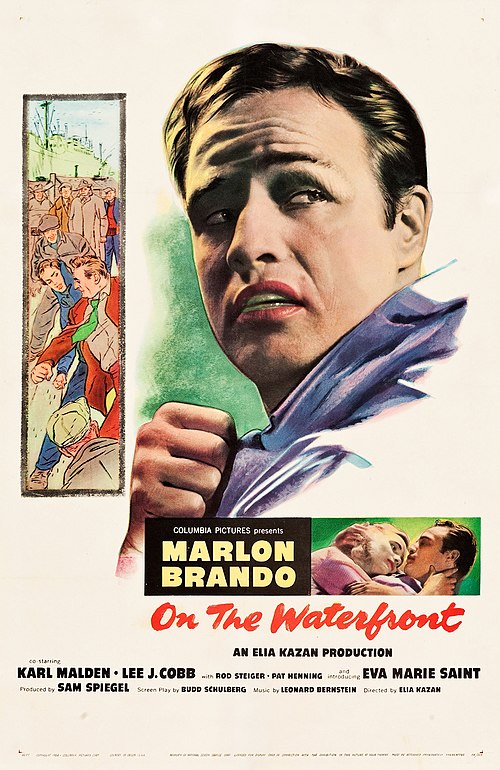
On the Waterfront
1954
A landmark of social realism and Method acting, anchored by Marlon Brando’s influential performance.
Schindler’s List
1993
Brought Holocaust memory to mainstream cinema with stark black-and-white imagery and moral urgency.
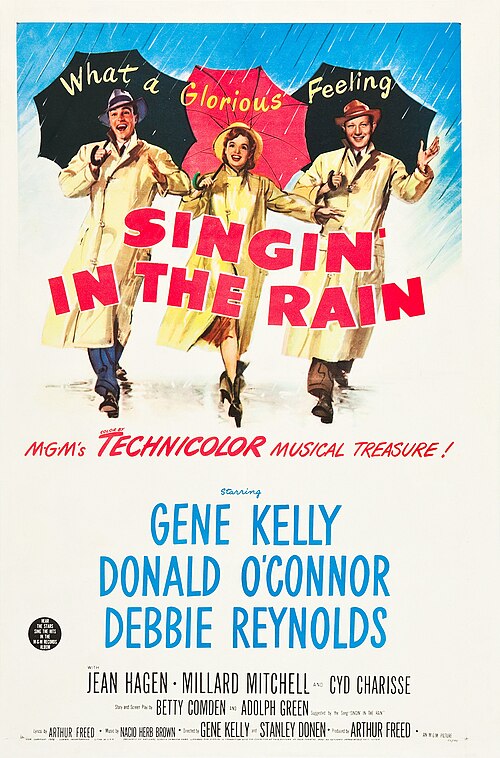
Singin’ in the Rain
1952
Often considered the peak of the Hollywood musical, celebrating performance, comedy, and movie magic.
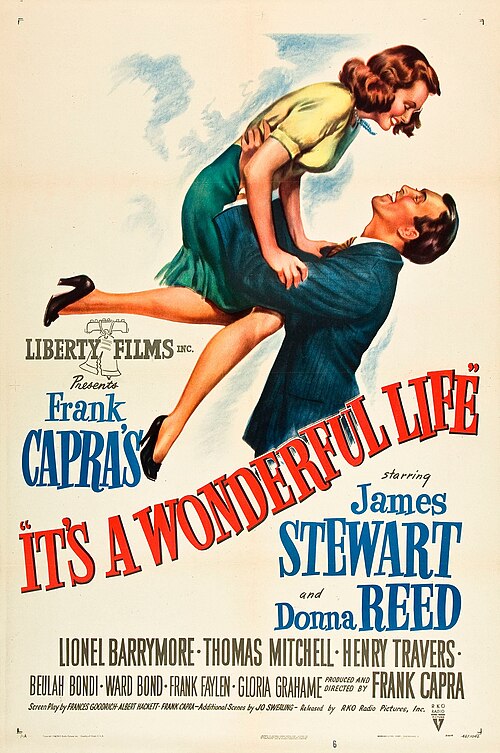
It’s a Wonderful Life
1946
Enduringly influential for its humanist vision of community, despair, and the value of an ordinary life.

Sunset Blvd.
1950
A dark, self-aware Hollywood noir that exposed the costs of fame and the cruelty of the studio system.
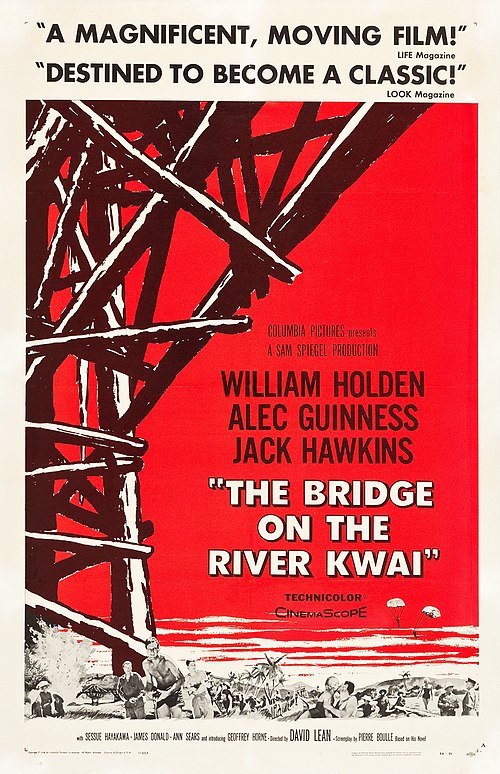
The Bridge on the River Kwai
1957
A major war epic that explores duty, obsession, and the moral absurdities of military honor.
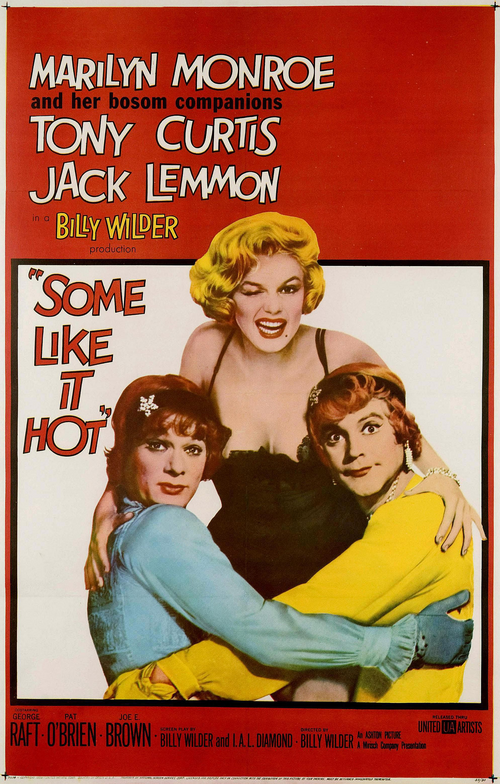
Some Like It Hot
1959
A classic screwball comedy that pushed gender play, timing, and farce to dazzling heights.
Star Wars
1977
Changed blockbuster filmmaking with mythic storytelling, world-building, visual effects, and franchise culture.
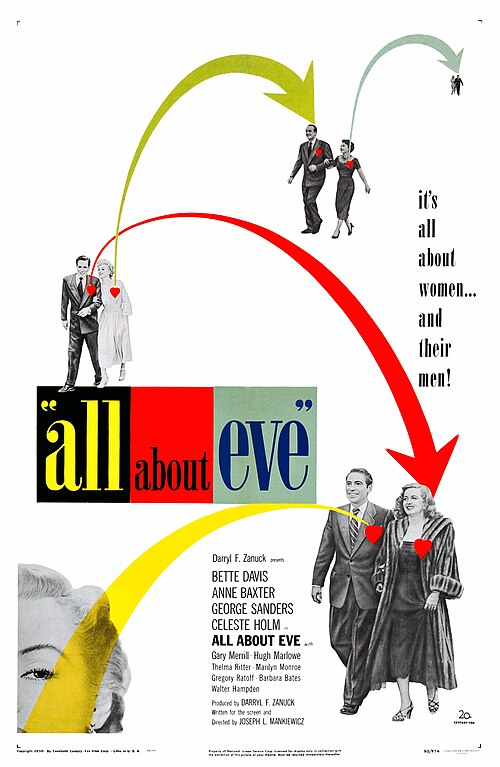
All About Eve
1950
A sharp backstage drama that remains a definitive portrait of ambition, aging, and performance.

The African Queen
1951
A beloved adventure-romance pairing star chemistry with rugged location filmmaking and wartime stakes.
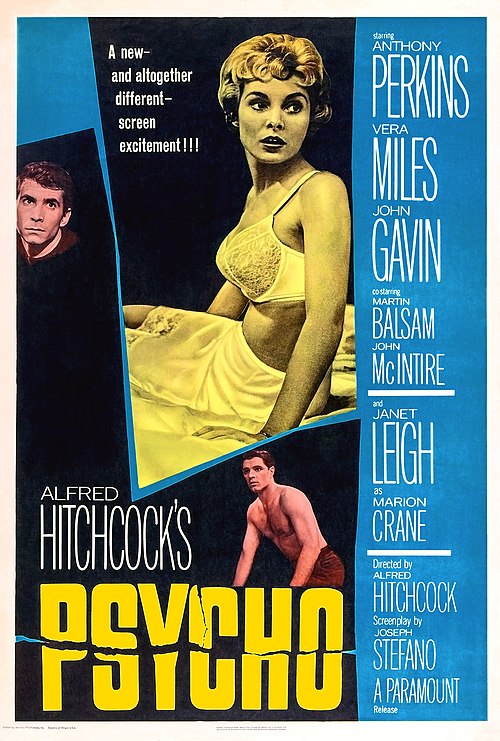
Psycho
1960
Redefined screen suspense and horror through editing, music, and a shocking disruption of audience expectations.
Chinatown
1974
A defining neo-noir that turned detective conventions into a bleak study of corruption and power.
One Flew Over the Cuckoo’s Nest
1975
An anti-authoritarian drama that became a major cultural statement about freedom and institutional control.
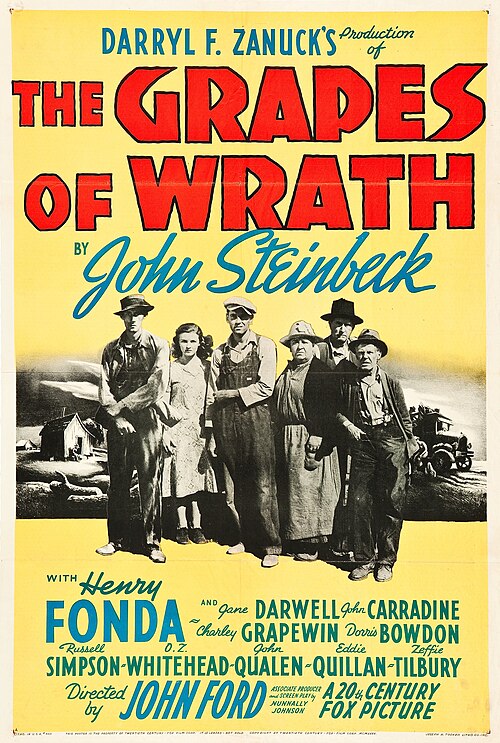
The Grapes of Wrath
1940
A powerful Depression-era adaptation that gave cinematic form to economic hardship and social conscience.
2001: A Space Odyssey
1968
Expanded what science fiction cinema could be through visual abstraction, music, and philosophical scale.
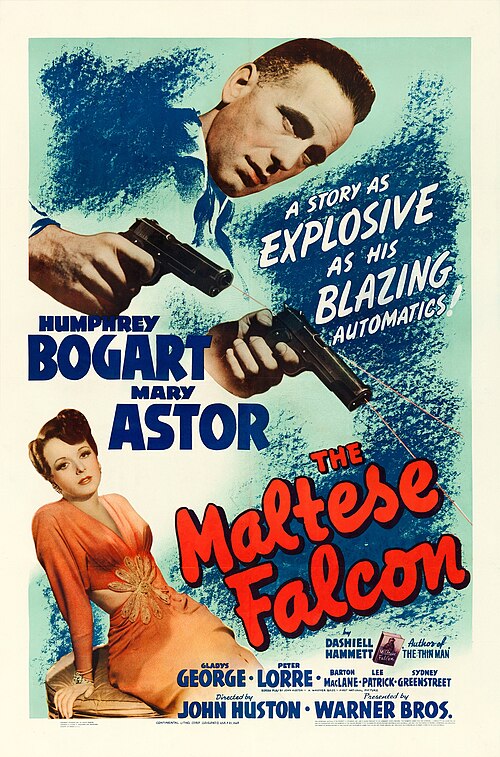
The Maltese Falcon
1941
Helped define film noir with hardboiled dialogue, moral ambiguity, and Humphrey Bogart’s iconic detective persona.
Raging Bull
1980
A landmark of biographical cinema, using expressionistic black-and-white style to explore violence and self-destruction.
E.T.: The Extra-Terrestrial
1982
A defining family film that fused childhood wonder, suburbia, and emotional science fiction.
Dr. Strangelove or: How I Learned to Stop Worrying and Love the Bomb
1964
A fearless Cold War satire that made nuclear annihilation both terrifying and absurdly funny.
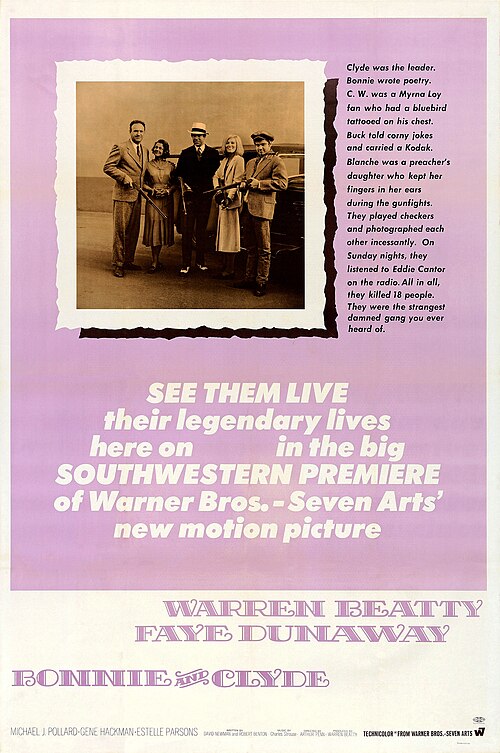
Bonnie and Clyde
1967
Broke Hollywood taboos with its mix of glamour, violence, youth rebellion, and New Hollywood energy.
Apocalypse Now
1979
A hallucinatory Vietnam War epic that transformed combat cinema into a journey through madness and myth.

Mr. Smith Goes to Washington
1939
A foundational political drama about civic idealism, corruption, and the power of democratic conviction.
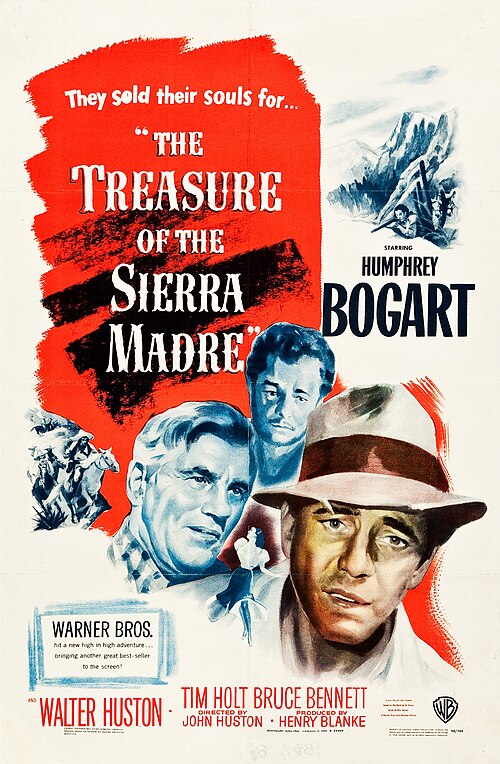
The Treasure of the Sierra Madre
1948
A classic adventure that dissects greed, paranoia, and the collapse of trust under pressure.
Annie Hall
1977
Reshaped the romantic comedy with fractured structure, direct address, and neurotic modern humor.
The Godfather Part II
1974
Expanded sequel storytelling by deepening family history, immigrant ambition, and moral decay.
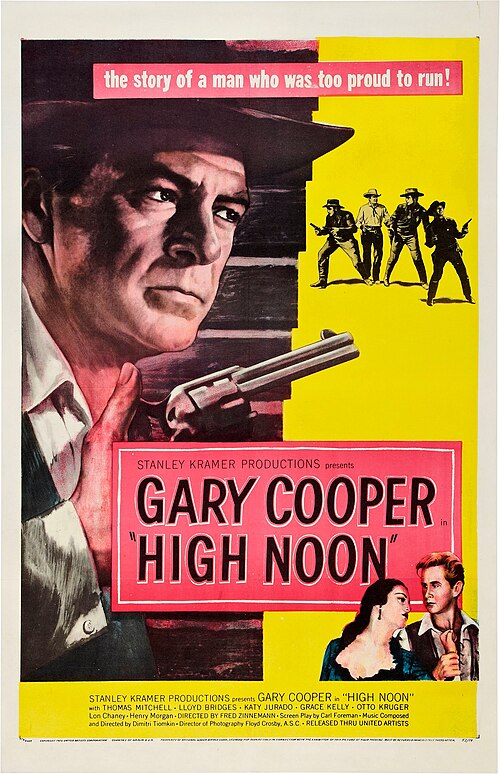
High Noon
1952
A tense real-time western that turned genre conflict into a parable of courage and civic responsibility.
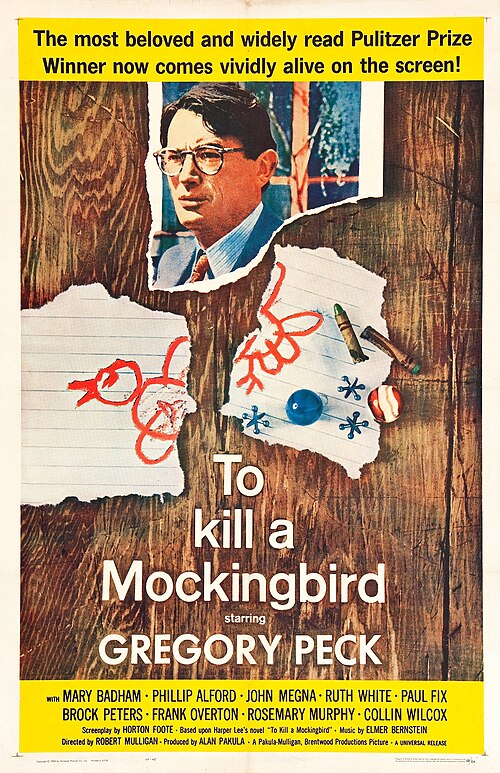
To Kill a Mockingbird
1962
An enduring courtroom drama associated with moral education, childhood memory, and racial injustice.

It Happened One Night
1934
A screwball comedy milestone that helped establish the rhythm and template of romantic comedy.
Midnight Cowboy
1969
A watershed adult drama that brought grit, loneliness, and countercultural realism into mainstream film.
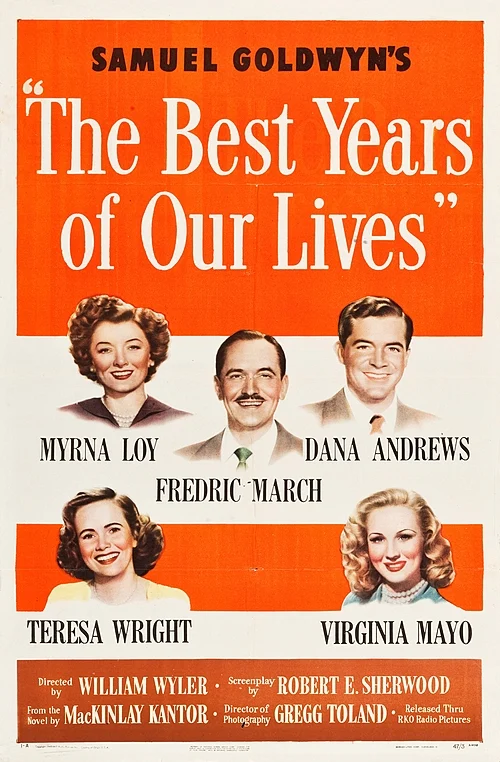
The Best Years of Our Lives
1946
A landmark postwar drama about veterans returning home and the emotional cost of war.

Double Indemnity
1944
One of noir’s essential works, famous for its fatalism, sharp dialogue, and morally trapped characters.
Doctor Zhivago
1965
A sweeping romantic epic that connects private longing with the upheavals of revolutionary history.
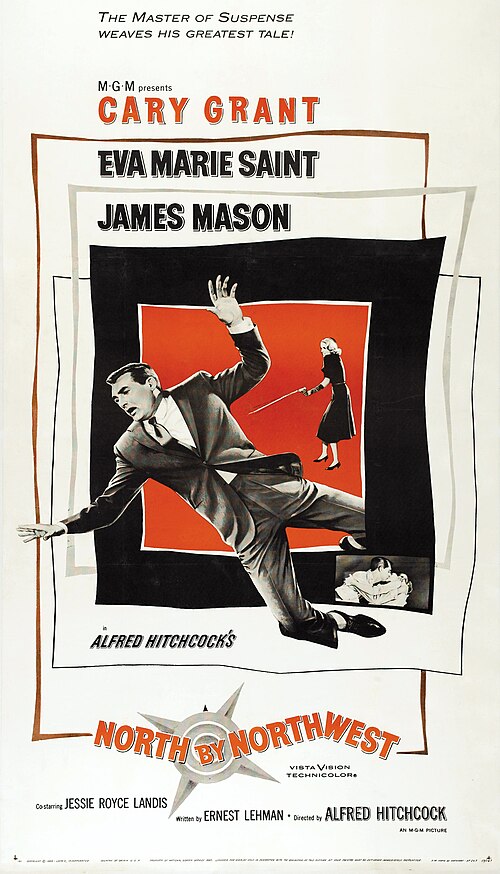
North by Northwest
1959
A model Hitchcock thriller, combining mistaken identity, sleek design, suspense, and playful spectacle.
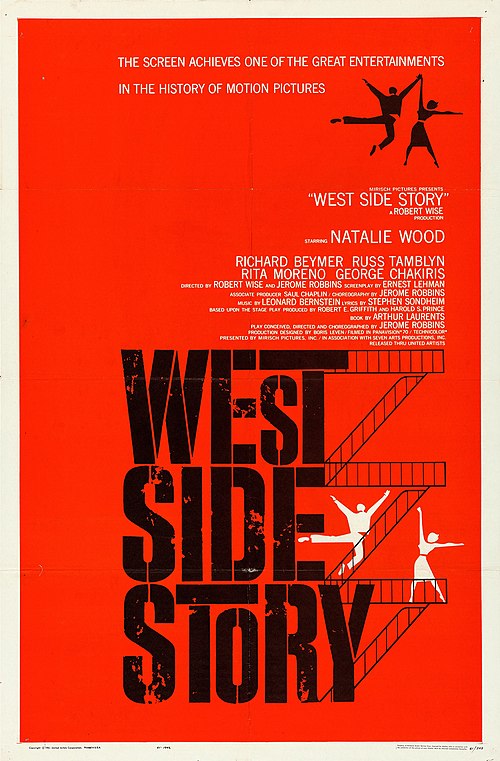
West Side Story
1961
A major musical adaptation that fused dance, social conflict, and Shakespearean tragedy in urban America.

Rear Window
1954
A masterclass in visual storytelling, voyeurism, and suspense built almost entirely from one apartment view.

King Kong
1933
A pioneering effects-driven adventure that made the movie monster tragic, spectacular, and iconic.

The Birth of a Nation
1915
Historically influential for film technique, but infamous for racist mythology and pro-Klan propaganda.
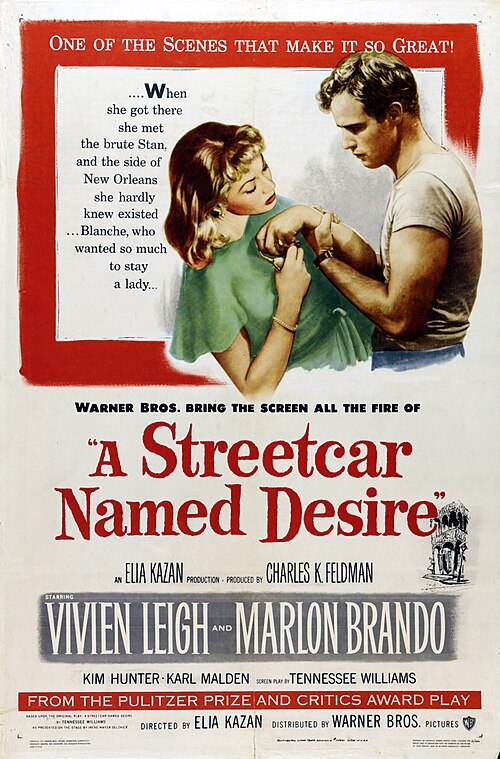
A Streetcar Named Desire
1951
Brought modern acting intensity and adult psychological drama into the American film mainstream.
A Clockwork Orange
1971
A provocative dystopian work that challenged audiences with stylized violence, free will, and social control.
Taxi Driver
1976
A defining portrait of urban alienation, post-Vietnam disillusionment, and unstable masculine rage.

Jaws
1975
Created the modern summer blockbuster through suspenseful craft, memorable music, and mass-audience excitement.
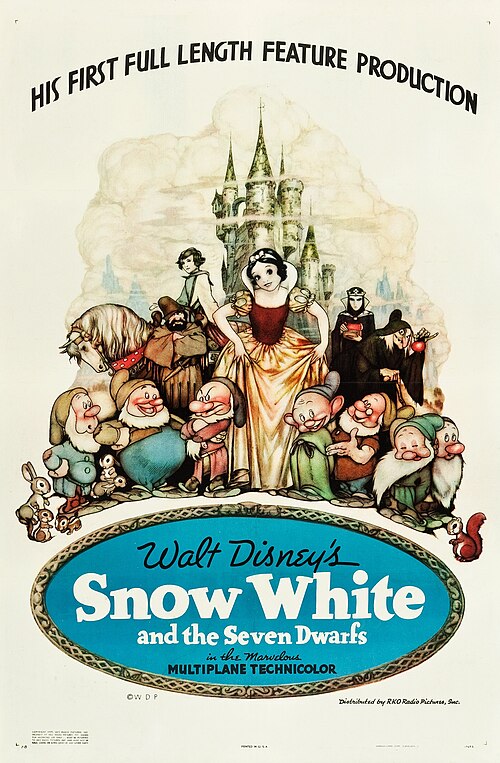
Snow White and the Seven Dwarfs
1937
The first feature-length Disney animated film, proving animation could sustain a full theatrical story.
Butch Cassidy and the Sundance Kid
1969
A revisionist buddy western that mixed charm, melancholy, and modern antihero appeal.
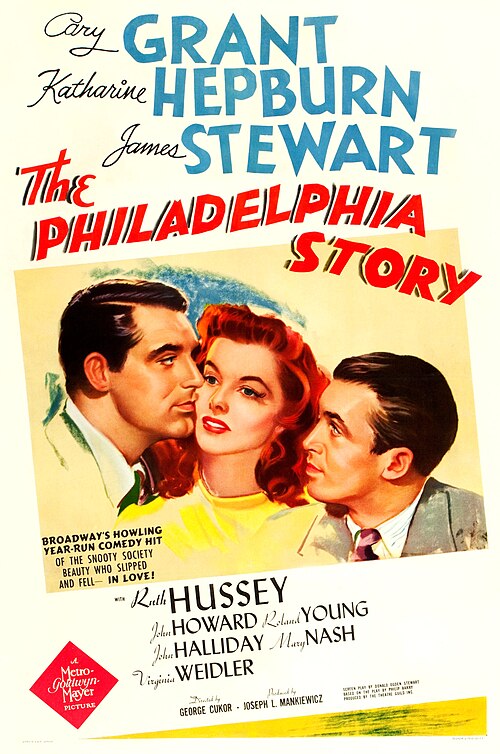
The Philadelphia Story
1940
A sparkling comedy of remarriage known for its wit, class satire, and extraordinary ensemble performances.
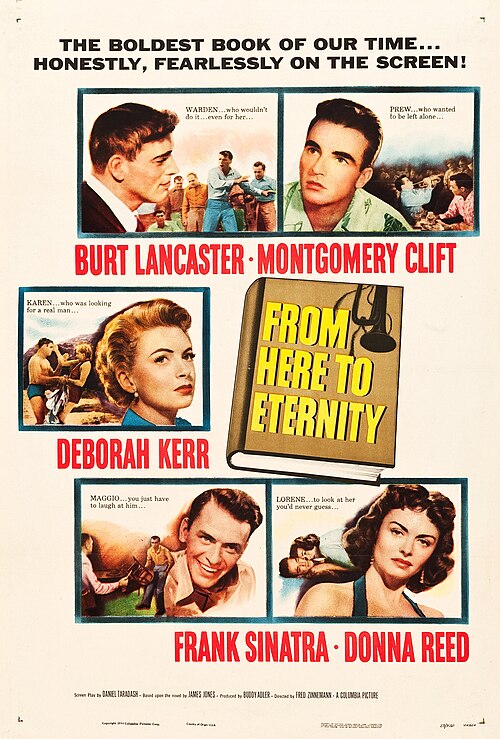
From Here to Eternity
1953
A major wartime melodrama remembered for its adult themes, ensemble acting, and iconic beach imagery.
Amadeus
1984
Made artistic genius and envy cinematic through lavish period design and a psychologically charged rivalry.

All Quiet on the Western Front
1930
An early antiwar landmark that presented World War I from the soldier’s traumatic perspective.
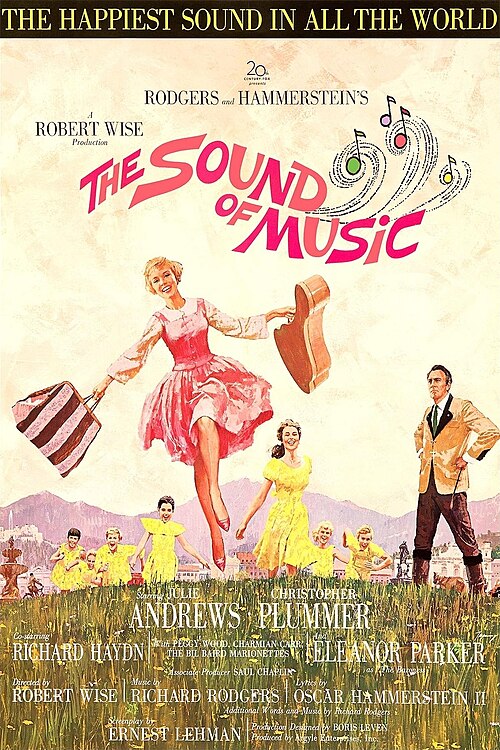
The Sound of Music
1965
A beloved musical phenomenon whose songs and family story became globally recognizable.

M*A*S*H
1970
A corrosive antiwar comedy that captured Vietnam-era irreverence through a Korean War setting.
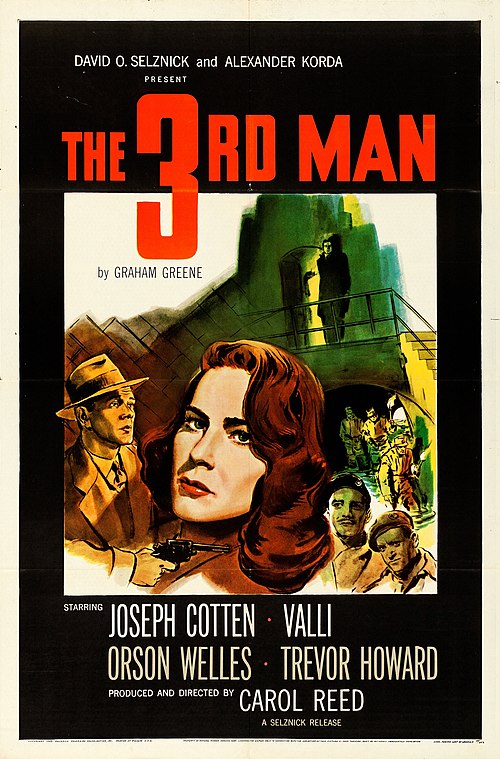
The Third Man
1949
A postwar noir classic defined by shadowy Vienna, moral ambiguity, and unforgettable visual style.
Fantasia
1940
An experimental animation milestone that joined classical music with bold, abstract visual imagination.
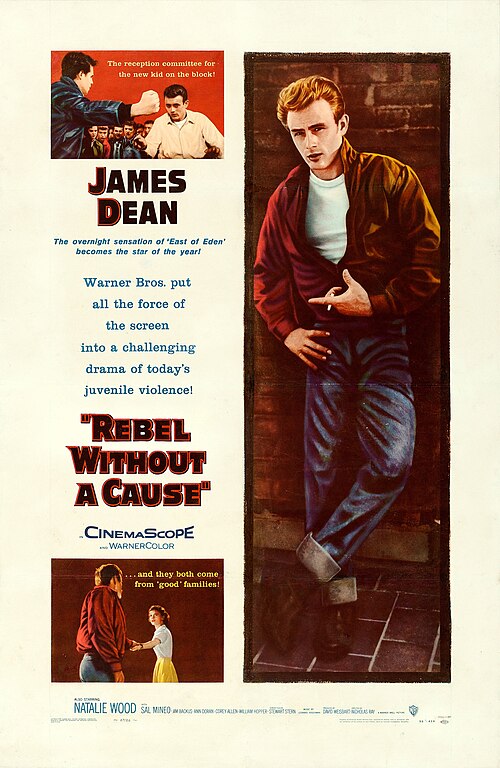
Rebel Without a Cause
1955
Became an emblem of teenage alienation and made James Dean an enduring youth icon.
Raiders of the Lost Ark
1981
Revived adventure serial storytelling with modern pacing, practical spectacle, and a definitive screen hero.

Vertigo
1958
A psychological thriller whose themes of obsession, identity, and image-making have grown in critical stature.
Tootsie
1982
A major comedy about performance, gender roles, and professional reinvention in modern American life.
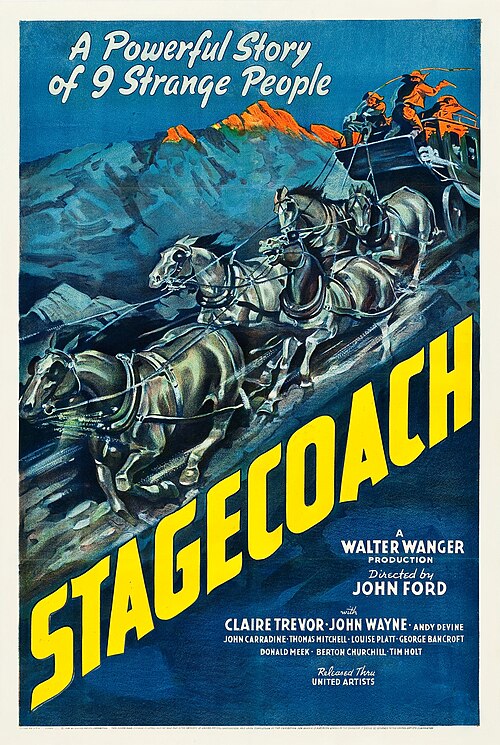
Stagecoach
1939
Elevated the western with strong ensemble structure, location photography, and John Ford’s mythic frontier vision.
Close Encounters of the Third Kind
1977
Reimagined alien contact as awe, curiosity, and spiritual longing rather than invasion.
The Silence of the Lambs
1991
Merged horror, thriller, and character drama into one of the most influential modern suspense films.
Network
1976
A prophetic media satire about ratings, spectacle, corporate power, and televised outrage.
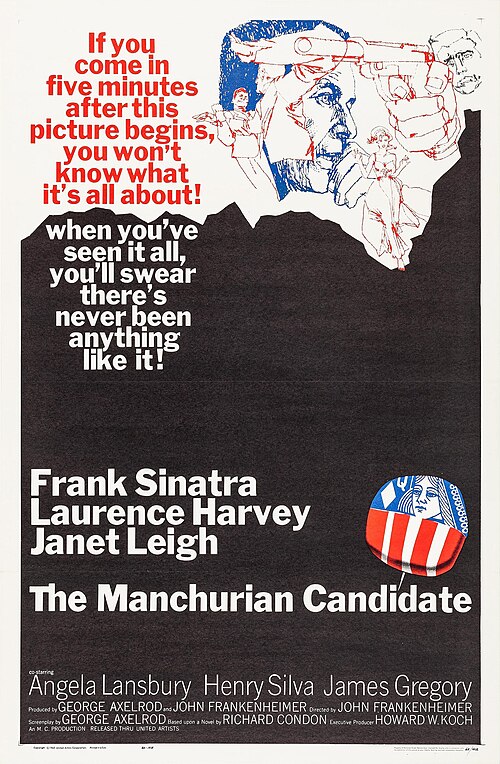
The Manchurian Candidate
1962
A Cold War political thriller that turned paranoia, brainwashing, and conspiracy into enduring screen tension.
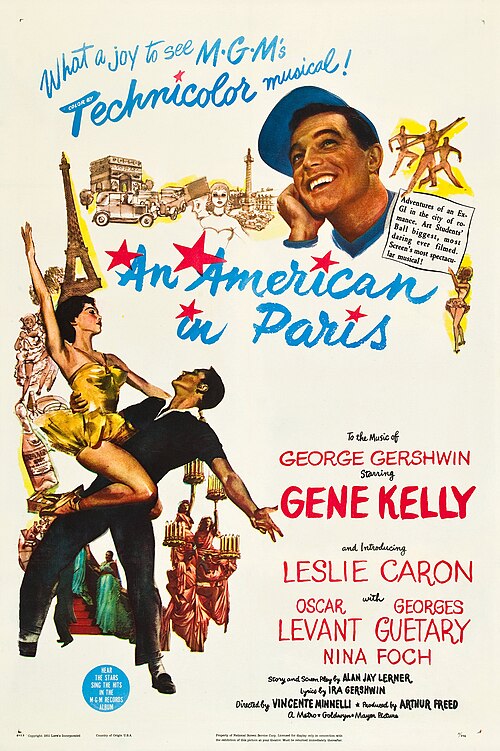
An American in Paris
1951
A Technicolor musical landmark celebrated for ballet, Gershwin music, and painterly visual design.
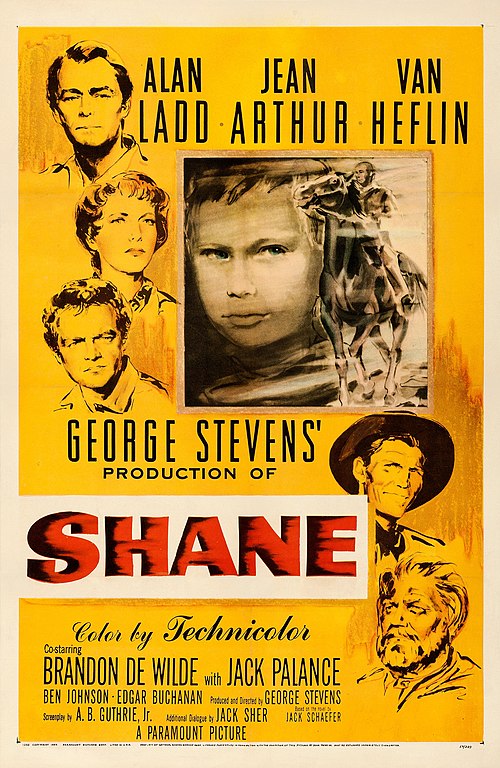
Shane
1953
A mythic western about violence, innocence, and the fading figure of the gunslinger.
The French Connection
1971
Reinvented the police thriller with gritty realism, urban tension, and a landmark car chase.
Forrest Gump
1994
A popular epic that filters decades of American history through memory, sentiment, and visual effects.
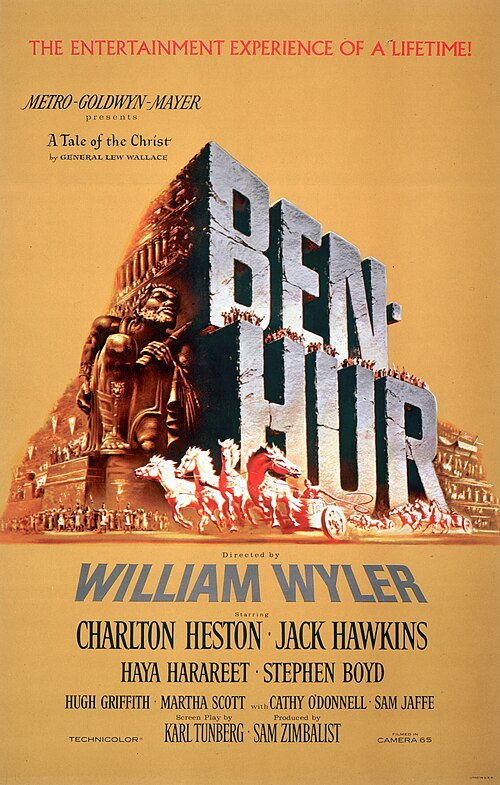
Ben-Hur
1959
A monumental historical epic famous for spectacle, religious drama, and one of cinema’s great chariot races.

Wuthering Heights
1939
A classic literary adaptation that gave Gothic romance a haunting Hollywood form.
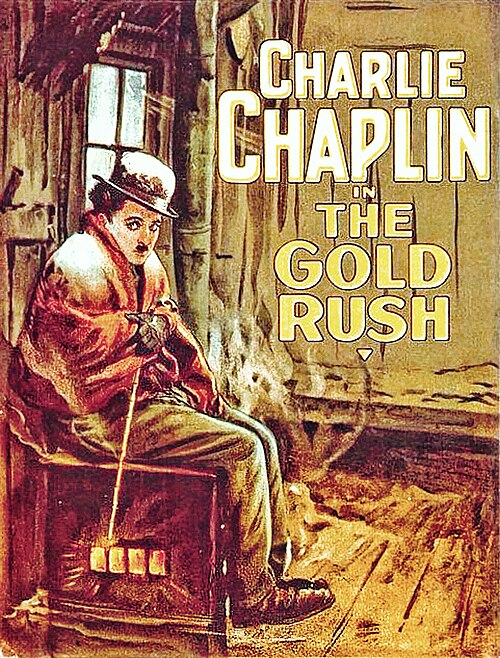
The Gold Rush
1925
A silent comedy landmark that blends slapstick, pathos, and Chaplin’s Little Tramp mythology.
Dances with Wolves
1990
A revisionist western that shifted mainstream attention toward Native perspectives, though still debated today.

City Lights
1931
A silent-era masterpiece that preserved pantomime artistry while delivering one of film’s most moving endings.
American Graffiti
1973
Captured early-1960s youth culture and nostalgia while helping launch modern ensemble coming-of-age cinema.
Rocky
1976
An underdog sports drama that became a lasting symbol of perseverance and working-class aspiration.
The Deer Hunter
1978
A major Vietnam-era drama about friendship, trauma, and the war’s damage to American communities.
The Wild Bunch
1969
A violent revisionist western that changed action editing and mourned the end of an old frontier code.
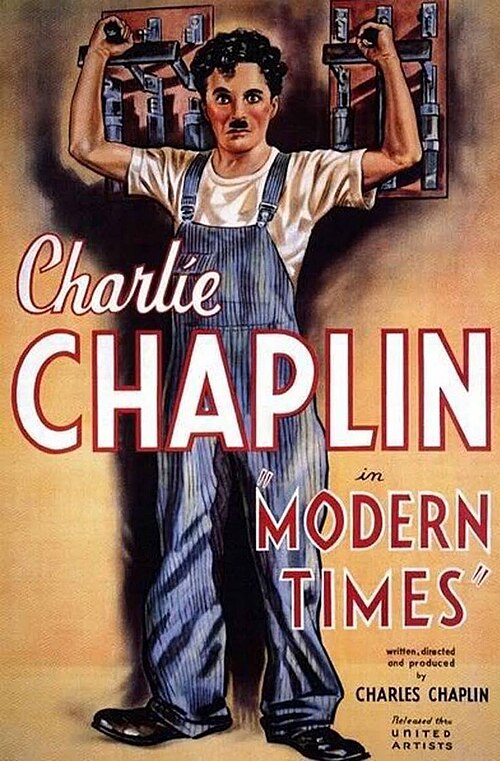
Modern Times
1936
Chaplin’s great industrial-age comedy, satirizing mechanized labor while defending human dignity.
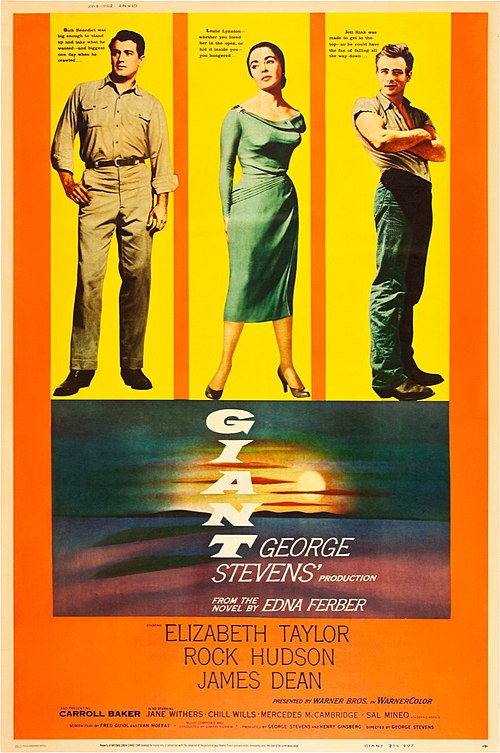
Giant
1956
A sprawling Texas epic about wealth, family, race, and social change across generations.
Platoon
1986
A visceral Vietnam War film shaped by firsthand experience and a focus on moral fracture within combat.
Fargo
1996
A distinctive crime film that blends regional humor, violence, and moral clarity with Coen brothers precision.
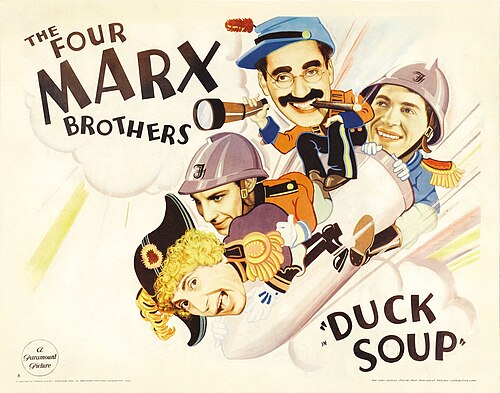
Duck Soup
1933
A Marx Brothers classic whose anarchic comedy remains a landmark of anti-authoritarian absurdity.
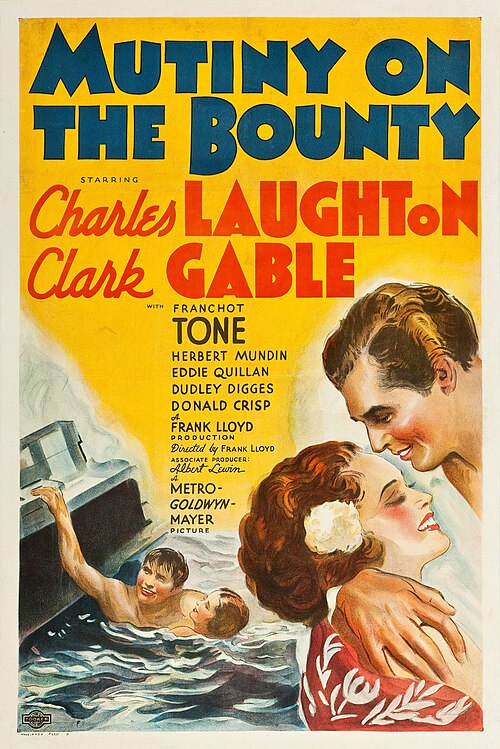
Mutiny on the Bounty
1935
A classic sea adventure about authority, rebellion, and survival, anchored in grand studio craftsmanship.

Frankenstein
1931
A foundational horror film that gave Mary Shelley’s creature an enduring cinematic identity.
Easy Rider
1969
A counterculture landmark that captured late-1960s freedom, disillusionment, and independent filmmaking energy.
Patton
1970
A bold military biography remembered for its complex portrait of leadership, ego, and wartime command.
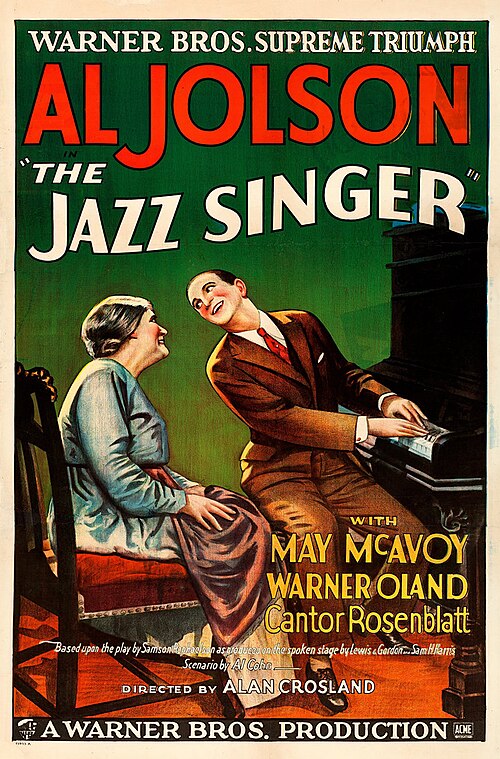
The Jazz Singer
1927
Historically important as the feature that accelerated Hollywood’s transition to synchronized sound.
My Fair Lady
1964
A lavish musical adaptation celebrated for language, class transformation, and grand production design.
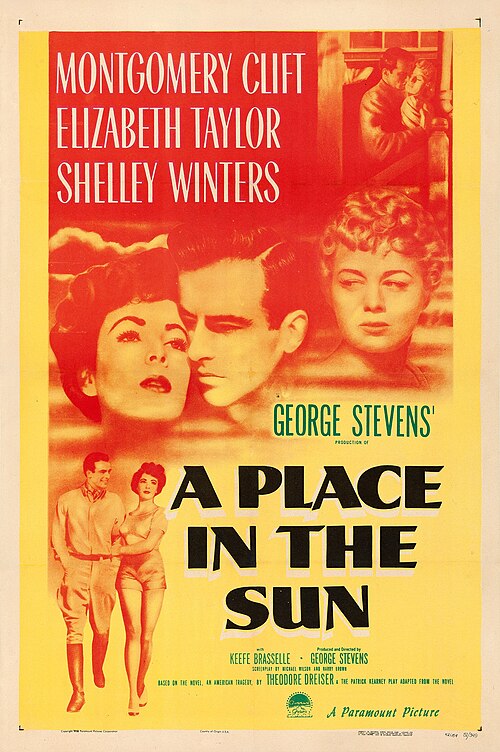
A Place in the Sun
1951
A dark romantic melodrama about ambition, desire, and class pressure in postwar America.
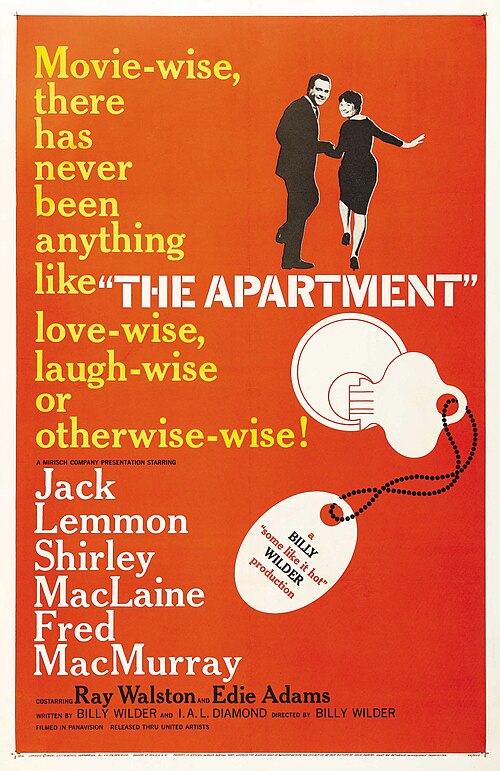
The Apartment
1960
A sophisticated comedy-drama about corporate loneliness, moral compromise, and modern urban relationships.
Goodfellas
1990
A kinetic gangster film that reshaped crime storytelling through voiceover, music, and immersive detail.
Pulp Fiction
1994
A defining 1990s independent film known for nonlinear structure, pop-culture dialogue, and genre remixing.
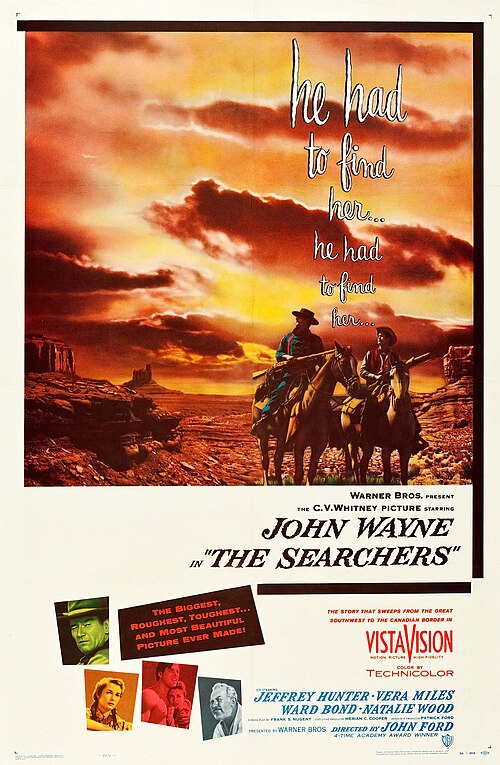
The Searchers
1956
A visually majestic western whose troubling hero and racial themes continue to provoke debate.

Bringing Up Baby
1938
A screwball comedy high point, famous for speed, chaos, and Katharine Hepburn–Cary Grant chemistry.
Unforgiven
1992
A late revisionist western that dismantles gunslinger mythology and questions the cost of violence.
Guess Who’s Coming to Dinner
1967
A socially significant Hollywood drama confronting interracial marriage at a pivotal civil-rights moment.

Yankee Doodle Dandy
1942
A patriotic musical biography showcasing James Cagney’s performance style and studio-era showmanship.